



Woodworking machines: optimising performance and service life
Woodworking machines allow highly precise cutting, milling, drilling and fastening operations, helping to improve workmanship quality, productivity and operational continuity.
Choosing the right woodworking machines involves more than simply assessing performance or motor power. Durability, mechanical reliability, access to technical support and long-term maintenance must also be considered.
Rothoblaas brings more than thirty-five years of experience in this sector. During this time, the company has developed technical expertise that goes beyond simple distribution. Its equipment is regularly used for internal testing, technical demonstrations and training, helping to identify the solutions best suited to the real operating conditions found on construction sites and in joinery workshops.
What are woodworking machines?
Woodworking machines are tools designed to perform precision operations on timber elements. This category includes equipment such as circular saws, professional drills, screwdrivers, anchor nailguns and wood routers used to produce cuts, joints and installation guides.
These joinery tools help standardise processes and maintain consistent levels of precision, even in repetitive production or when working with structural elements.
Professional machines and hobby machines
Not all woodworking machines are designed for the same type of use.
Professional machines are developed for intensive work cycles, tight tolerances and consistent performance over time. Their robust mechanical components and precise control systems are essential when working with timber structures or elements intended for on-site installation.
Hobby machines, by contrast, are designed for occasional use. While suitable for small carpentry projects, they do not always offer the same reliability under continuous use or in structural applications.
For this reason, when choosing woodworking machines it is important to consider the expected intensity of use and the level of precision required.
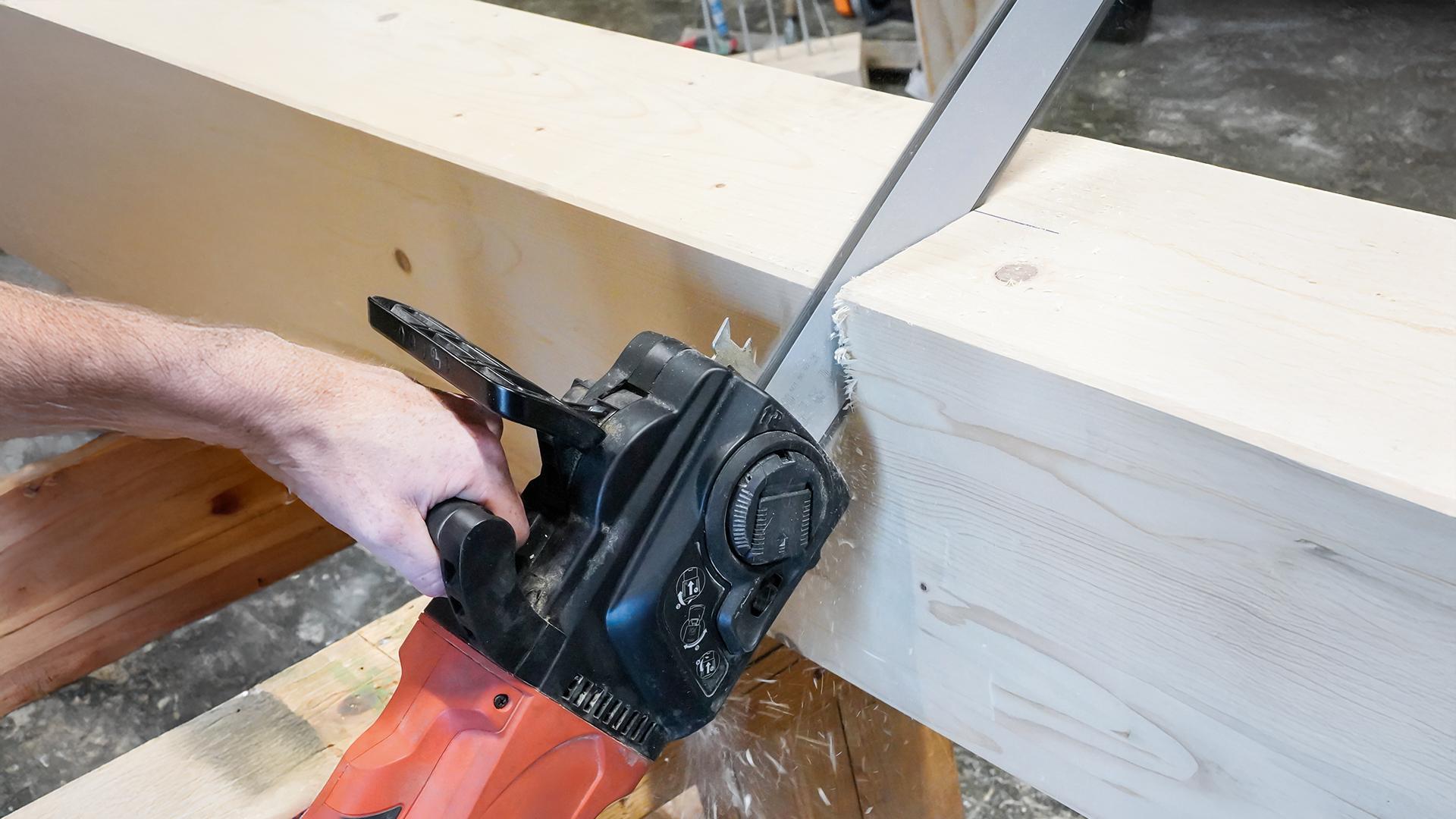
The most common woodworking machines
Electric saws, vertical routers, professional drills and fastening tools are among the woodworking machines most commonly used in joinery workshops and on construction sites.
However, there are certain tools that play a key role in the most common operations.
Wood routers and tools for precision work
The wood router is one of the most widely used tools in technical woodworking. The high-speed rotation of the router bit enables precise joints, housings and other delicate machining operations.
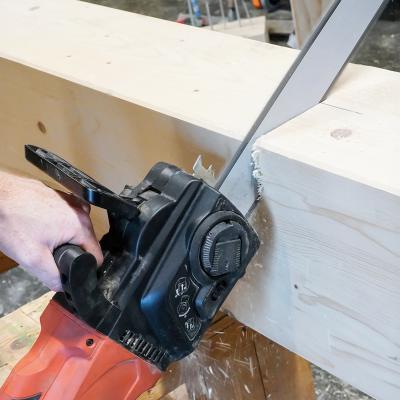
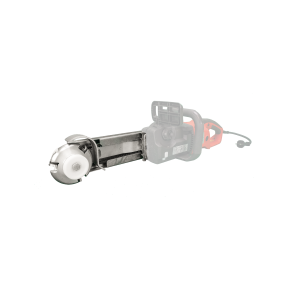
One particularly common application is the creation of slots. In this case, a slot cutter enables the development of highly precise technical slots and structural joints.
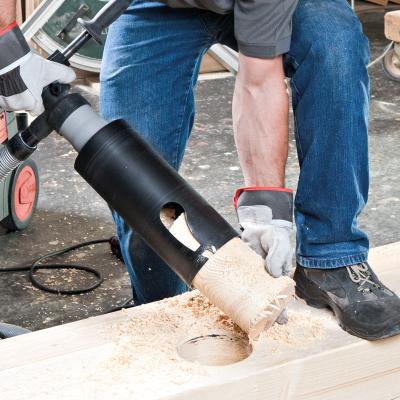
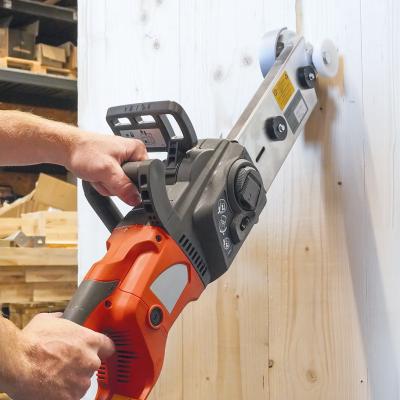
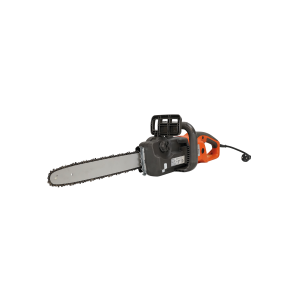
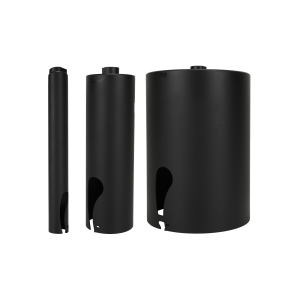
Examples include systems such as PAWA + CLAW by Rothoblaas, designed for controlled machining of timber elements across a variety of applications. Tools such as LB HOLE CUTTER also allow large-diameter holes to be drilled while maintaining cutting stability and geometric precision.
Screwdrivers and anchor nailguns for structural assembly
When assembling structural timber elements, screwdrivers and anchor nailguns allow rapid and efficient fastening.
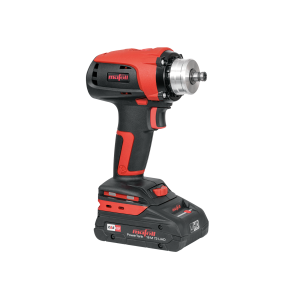
Screwdrivers used in the timber construction sector must cover a wide range of applications. The options range from compact tools such as A 18 | ASB 18, suitable for everyday work, to high-power screwdrivers such as D 38 RLE – SCREWDRIVER, designed for tightening large threaded rods.
Models such as B 13 B, EHB 16 and DIA 303 make it possible to handle different applications while maintaining precision and reliability, even in demanding operating conditions.
How to extend the service life of woodworking machines
The lifespan of woodworking machines largely depends on proper maintenance.
To keep woodworking equipment in good working order, it is important to adopt a number of preventive maintenance practices:
regular cleaning to remove dust and wood chips
lubrication of moving parts
periodic checks of fastenings
sharpening of blades and tools, such as router bits or slot cutters
Another useful practice is keeping a maintenance log. Recording the work carried out makes it easier to schedule regular inspections and reduce the risk of machine downtime.
Operator training also plays an important role. Correct use of joinery tools reduces component wear and helps maintain consistent machining precision.
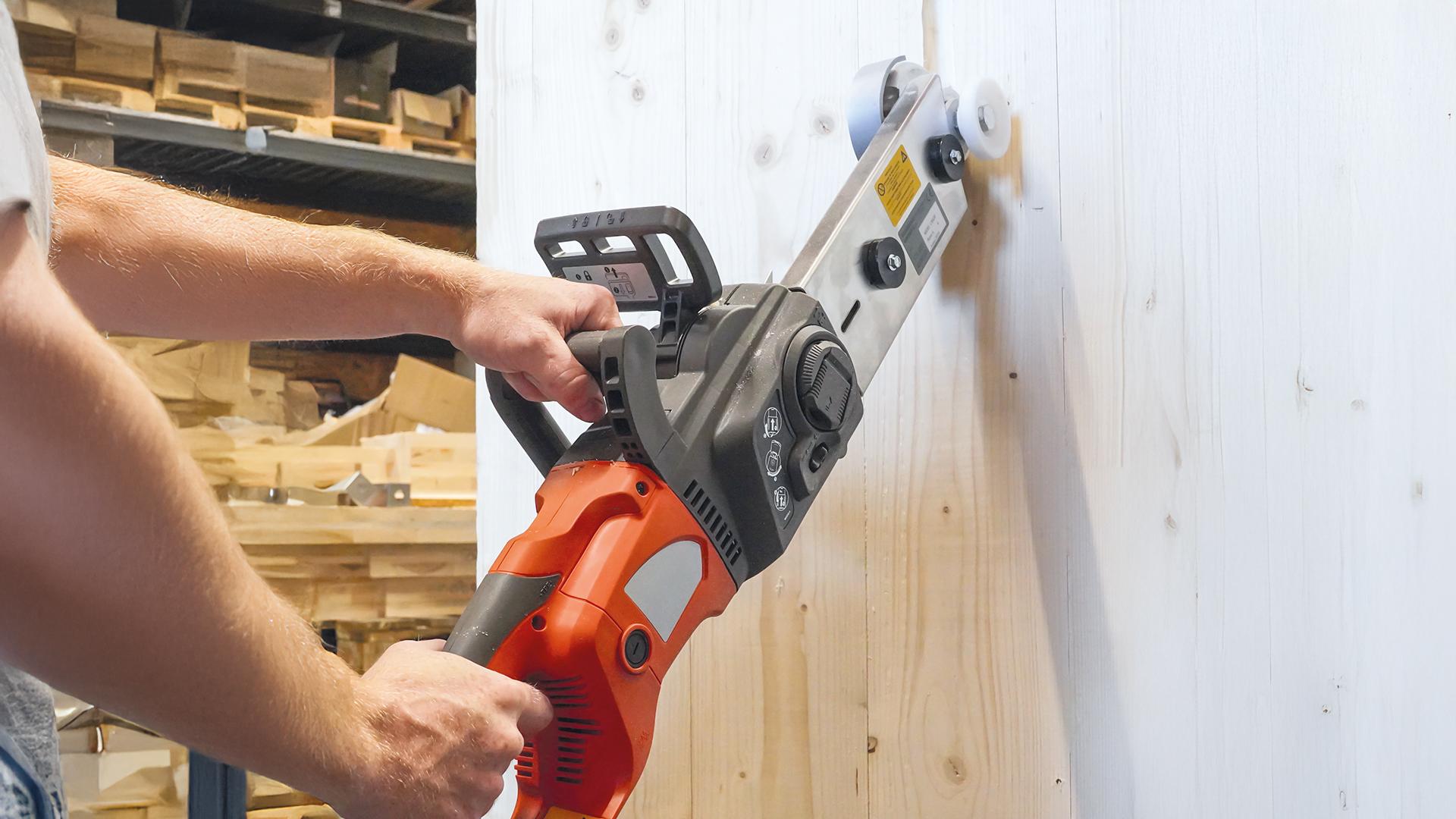
How to recognise when a machine needs servicing
Certain technical signs may indicate that a machine needs to be inspected or serviced:
unusual noises during operation
excessive vibrations
reduced precision when cutting or fastening
a drop in tool performance
If any of these signs appear, it is advisable to stop using the machine and have it checked by a qualified technician to prevent more serious damage.
Where to repair woodworking machines
Access to a qualified service centre is a key factor in maintaining the long-term performance of woodworking machines.
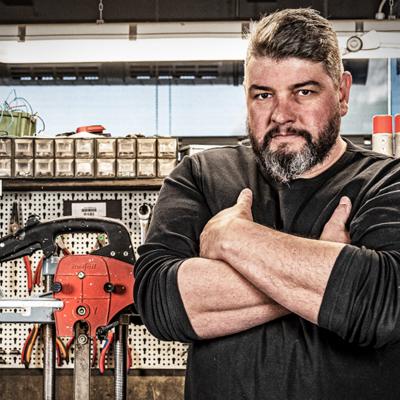
Since 2006, Rothoblaas has operated an in-house workshop specialising in the maintenance and repair of woodworking machines and power tools used in the sector.
The workshop is staffed by specialised technical personnel and includes an internal spare parts warehouse, helping to reduce repair times.
It is also the only facility in Italy authorised to carry out Mafell warranty repairs outside the manufacturer’s headquarters.
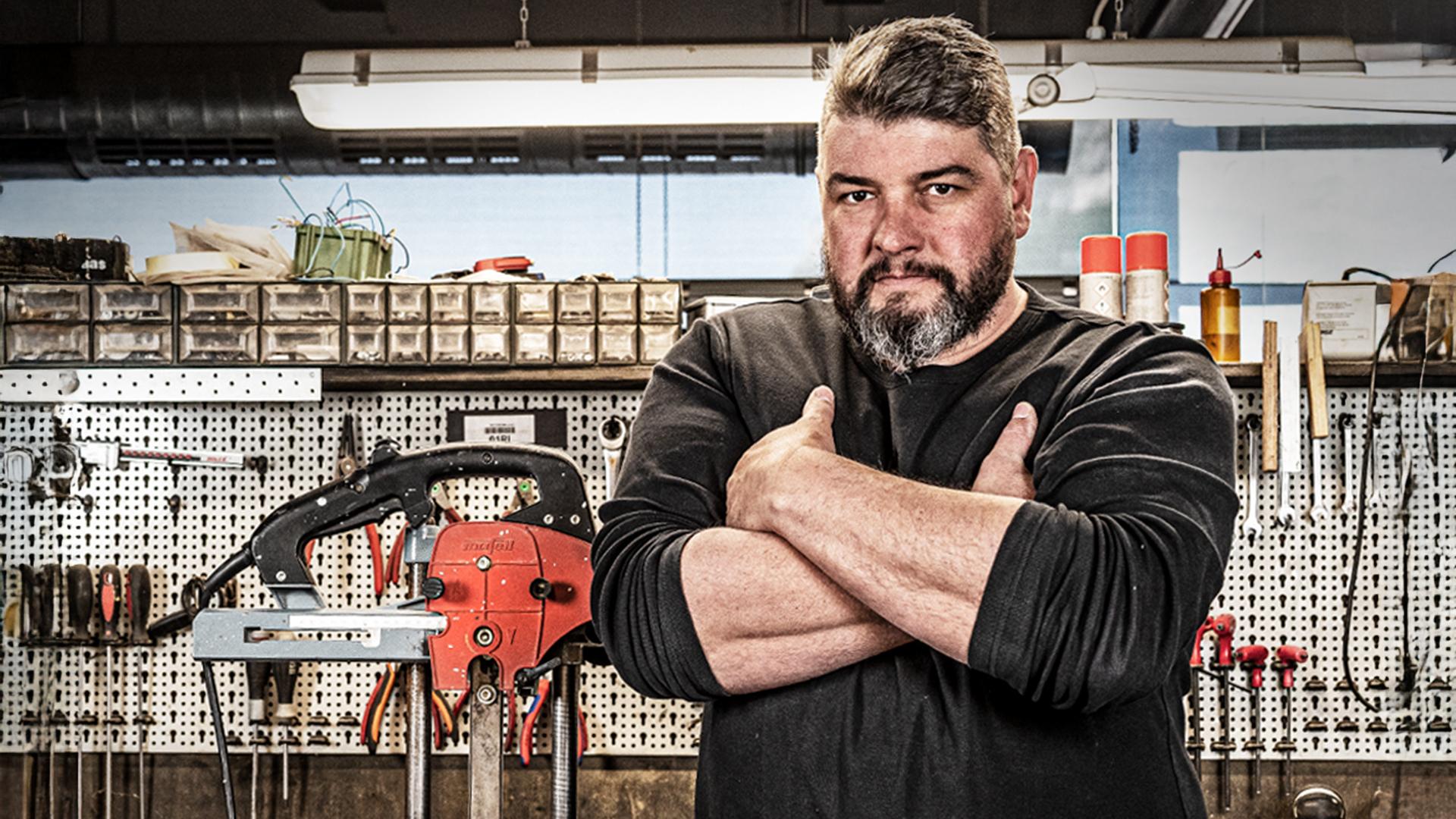
When you choose a woodworking machine, you also choose the support behind it
Purchasing a machine is not only about its initial performance. Technical support, spare parts availability and specialist expertise are all key factors in maintaining the long-term performance of woodworking machines.
To learn more about woodworking machines, joinery equipment and tools available for professional applications, visit the dedicated section:
https://www.rothoblaas.com/products/tools-and-machines/machines
All rights reserved
Technical Details
- Country:
- Any
- Продукция:
- A 18 | ASB 18 B 13 B CLAW D 38 RLE - SCREWDRIVER DIA 303 EHB 16 LB HOLE CUTTER PAWA